
Sciatica: Causes, Symptoms & Non-Surgical Treatment
Sciatica is pain that radiates from the lower back down a leg when the sciatic nerve is compressed. Non-surgical care, spinal decompression and gentle adjustments, relieves the pressure at its source instead of masking it.
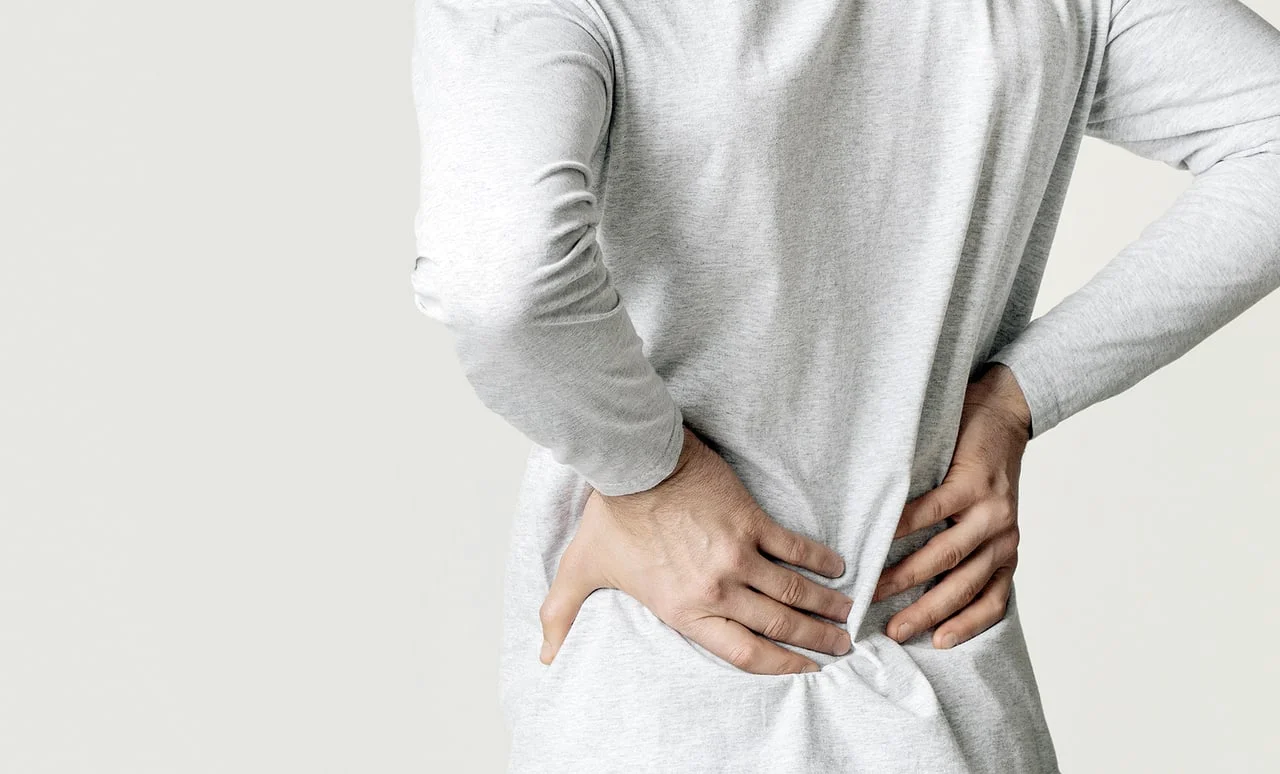
That sharp, electric pain shooting down your leg has a name, and it is one of the conditions we treat most often at our Sudbury clinic. Sciatica is not a diagnosis on its own. It is a signal that the sciatic nerve, the largest nerve in your body, is being pinched or irritated somewhere along its path. The encouraging part is that most cases settle with non-surgical care once you find and relieve the pressure at its source.
What sciatica actually is
The sciatic nerve runs from your lower back, through the hip and buttock, and down the back of each leg. When something presses on the nerve roots where they exit the spine, the whole nerve can protest, which is why a problem in your lower back is felt as burning in the calf or numbness in the foot. MedlinePlus notes that sciatica usually affects only one side of the body at a time. Understanding that the pain begins at the spine, not in the leg itself, is the key to treating it properly instead of chasing the symptom down your leg.
What sciatica feels like
Sciatica has a distinct personality. Most people notice some combination of:
- Pain that radiates from the lower back into the buttock and down one leg
- Numbness, tingling, or a “pins and needles” feeling in the leg or foot
- A burning or electric, hot-wire sensation rather than a dull ache
- Pain that worsens the longer you sit, so commutes and desk work become something you dread
- Weakness in the affected leg
The intensity can swing from a nagging distraction to pain that turns standing in a grocery line into a one-legged balancing act.
What causes the pressure
A handful of common problems put the squeeze on the sciatic nerve:
- A herniated or bulging disc pressing on the nerve root, the most frequent culprit
- Spinal stenosis, a narrowing of the space the nerves travel through
- A misaligned vertebra in the lower spine
- Tight muscles deep in the buttock that irritate the nerve as it passes
Mayo Clinic notes that most sciatica improves without surgery. Pinpointing which of these is driving your pain is what separates temporary relief from a lasting fix, and it is the first thing we sort out at your visit.
How non-surgical care relieves it
Because sciatica is a pressure problem, the goal is to take pressure off the nerve. Two drug-free treatments do most of the work.
Spinal decompression is often the centerpiece. Non-surgical spinal decompression therapy uses a specialized traction table to gently stretch the spine and open space between the vertebrae, which eases the disc pressure squeezing the nerve. Most patients find the sessions comfortable, even relaxing.
Chiropractic adjustments address the alignment side of the problem. Gentle chiropractic adjustments restore proper motion to the lower spine, reduce the irritation feeding the nerve, and help keep the vertebrae from slipping back into the position that started the flare.
Used together, they treat the cause rather than masking it, which is the whole point of the non-surgical sciatica care we build around each patient.
What to expect from treatment
Your first visit starts with an exam and consultation to confirm the pain is truly sciatic and to locate exactly where the nerve is being compressed. From there we build a plan around your specific case rather than a one-size protocol. Early visits focus on calming the acute pain, and later ones reinforce the gains and address the habits that set the flare up. Many people feel the sharpest pain ease first, with the numbness and tingling fading more gradually as the nerve settles.
Simple things that help between visits
Care in the clinic works better when you support it at home. A few habits tend to help:
- Keep moving in gentle ways. Short, frequent walks usually beat long stretches of bed rest, which can stiffen the back further.
- Break up long sitting. Stand, walk a lap, and reset your posture every 30 to 45 minutes, especially on the commute or at a desk.
- Mind how you lift. Bend at the hips and knees, keep the load close, and avoid twisting under weight.
- Use heat to loosen tight muscles before activity and ice to calm a sharp flare afterward.
None of these replace treatment, but they keep you from feeding the problem while it heals.
When to get evaluated
If your leg pain lingers beyond a week or two, keeps returning, or arrives with numbness or weakness, it is worth getting checked instead of waiting it out. The American Academy of Orthopaedic Surgeons flags progressive leg weakness as a sign that deserves prompt attention, and rare symptoms like loss of bladder or bowel control are a medical emergency. Early care also tends to be simpler care, because a flare caught quickly is far easier to calm than one that has been building for months.
Sciatica responds well to the right treatment. If that hot-wire pain down your leg has worn out its welcome, our team in Sudbury helps patients across MetroWest get back to sitting, sleeping, and moving without dreading the next step.
Ready to feel better?
Book your $49 new-patient spinal decompression session, exam and consultation included.